How to Use Autumn Imagery in Flash Fiction Without Resorting to Clichés
Autumn arrives with a ready-made palette. That is the problem. When every writer reaches for the same falling leaves and amber light, the season becomes wallpaper. Flash fiction cannot afford wallpaper. It needs one exact detail that does the work of a paragraph. The good news is that autumn is strange, specific and full of overlooked moments. You just have to look past the postcard.
Start with the senses nobody else is using
Most autumn writing is visual. Gold, russet, grey. That is why it blurs together. Close your eyes and ask what else is happening. Wet wool. Woodsmoke caught in a scarf. The squeak of a gate that has swollen with rain. A bruised apple tasted in the dark. The cold of a metal key against your palm.
These details are not decorative. In flash fiction, they are plot. A character who notices the smell of a neighbour's bonfire is a character with a history. A character who flinches at the sound of a leaf blower is a character with a grudge. Choose one sense and commit to it for the whole piece. Let it carry the mood.
A quick sensory audit
- Smell: damp cardboard, paraffin, rotting windfall, the inside of a Halloween mask.
- Touch: the first frost on a car roof, the clamminess of a forgotten conker, the heat of a mug through a sleeve.
- Sound: a rake on gravel, a distant chainsaw, the pop of a chestnut, silence in a fog.
- Taste: sour crab apple, the metallic tang of a cold, burnt toast and blackberry jam.
If you use sight, make it small. Not the whole tree, but one leaf caught in a gutter. Not the sunset, but the way it lights a crack in the pavement.
Make the weather do character work
Pathetic fallacy is a trap. Rain does not have to mean sadness. Fog does not have to mean confusion. Flip it. A character who loves the first hard frost because it finally kills the slugs in the garden. A heatwave in October that makes everyone irritable and sleepless. A storm that arrives during a funeral and feels like relief.
Weather in flash fiction should be an active force, not a mood ring. Ask: what does this weather make my character do? Does it make them stay inside and finally read the letter? Does it force them to accept a lift from someone they have been avoiding? The weather is a pressure, and pressure creates story.
Try this example: a woman has been waiting for her son to call. The first storm of October knocks the power out. She cannot charge her phone. She must sit in the dark and decide whether to walk to the neighbour she has not spoken to since the argument. The weather does not mean sadness. It means a choice.
Rethink the leaf
Leaves are the most exhausted image in autumn. Crunching, falling, drifting, carpeting. If you must use them, use them as objects with a specific history. A leaf pressed in a library book since 1987. A single green leaf clinging to a branch in November, stubborn as a bad habit. A leaf stuck to a windscreen, moving like a hand.
Better still, leave leaves alone. There are other markers. The last tomato on a dying vine. A wasp drunk on windfall, crawling in circles. The first night you need the heating on. The moment you realise the light has changed and you cannot say when. Autumn is not just leaves. It is a shift in the air, a change in routine, a quiet closing down.
Try an exercise: list five things you saw today that are not leaves but still say autumn. A dog wearing a tiny coat. A school shoe abandoned by the gate. The smell of a jumper that has been in a drawer since March. A bin bag full of hedge cuttings. The way a streetlamp comes on before supper. Use one of those instead.
Use autumn as a clock, not a backdrop
Flash fiction has no room for long descriptions of setting. But autumn can mark time with a single image. The last barbecue, rusting. A coat taken down from the loft, smelling of last winter. A calendar page turned. These are clocks. They tell the reader how much time has passed without saying "three weeks later".
Try this: write a flash piece that spans one autumn day, but implies years. A woman rakes the same leaves her father raked. A child wears a coat that was once her mother's. The season becomes a layer of memory, not just a date.
Autumn is the season of letting go, but in fiction the interesting part is what refuses to let go.
Metaphor: go sideways, not straight
Autumn as ageing. Autumn as death. Autumn as change. These are straight lines, and readers see them coming. Go sideways. Autumn as a house being packed up, room by room. Autumn as a computer deleting files it no longer needs. Autumn as a conversation that keeps trailing off. Autumn as a jumper unravelling from the cuff.
The metaphor should fit your character's obsession. A chef might think of autumn as a reduction, a sauce boiled down until it is almost nothing. A mechanic might think of it as an engine cooling. A teacher might think of it as a classroom after the last child has gone home. The metaphor should come from their world, not from a greeting card. If your character would not notice it, do not use it.
Let objects carry the season
Objects are quiet. That is why they work in flash. A pair of gloves left on a bus seat. A pumpkin on a doorstep, already collapsing at the mouth. A rake leaning against a shed, its handle cracked. A bowl of porridge gone cold. These are not props. They are evidence. They tell the reader what has happened without stating it.
Choose one object and let it change. A candle burns down. A flask empties. A scarf is knitted and unravelled. In a short piece, a single object can act as a clock, a metaphor and a character all at once. The trick is to resist explaining it. Trust the reader to feel the cold.
Avoid the harvest festival of abstractions
Autumn invites big words: melancholy, abundance, decay, transition. They are vague. They do not earn their keep. Replace them with verbs and facts. Not "the melancholy of autumn" but "she counted the apples she would not have time to pick." Not "the abundance of the harvest" but "the marrow grew so large it would not fit in the pan."
Abstractions are the easiest way to sound like every other autumn story. Specificity is the antidote. If you want to write about loss, describe the missing thing. An empty chair at the table. A second mug left in the cupboard. A coat that still smells of someone else's smoke.
Revise with a cliché checklist
- Circle every colour word. Keep one. Replace the rest with smell, sound or touch.
- Underline every leaf. Ask if a different object could do the same job.
- Highlight any sentence that tells the reader the mood. Rewrite it as an action.
- Check the weather. Does it force a decision? If not, cut it or make it matter.
- Read the last line aloud. If it sounds like a greeting card, turn it sideways.
Finally, let autumn end on a turn. Not a sigh. A character might close the door, but leave the porch light on. They might rake the leaves, then jump in them. They might bury the last tomato plant and plant something new. The season is not an ending. It is a change in the rules.
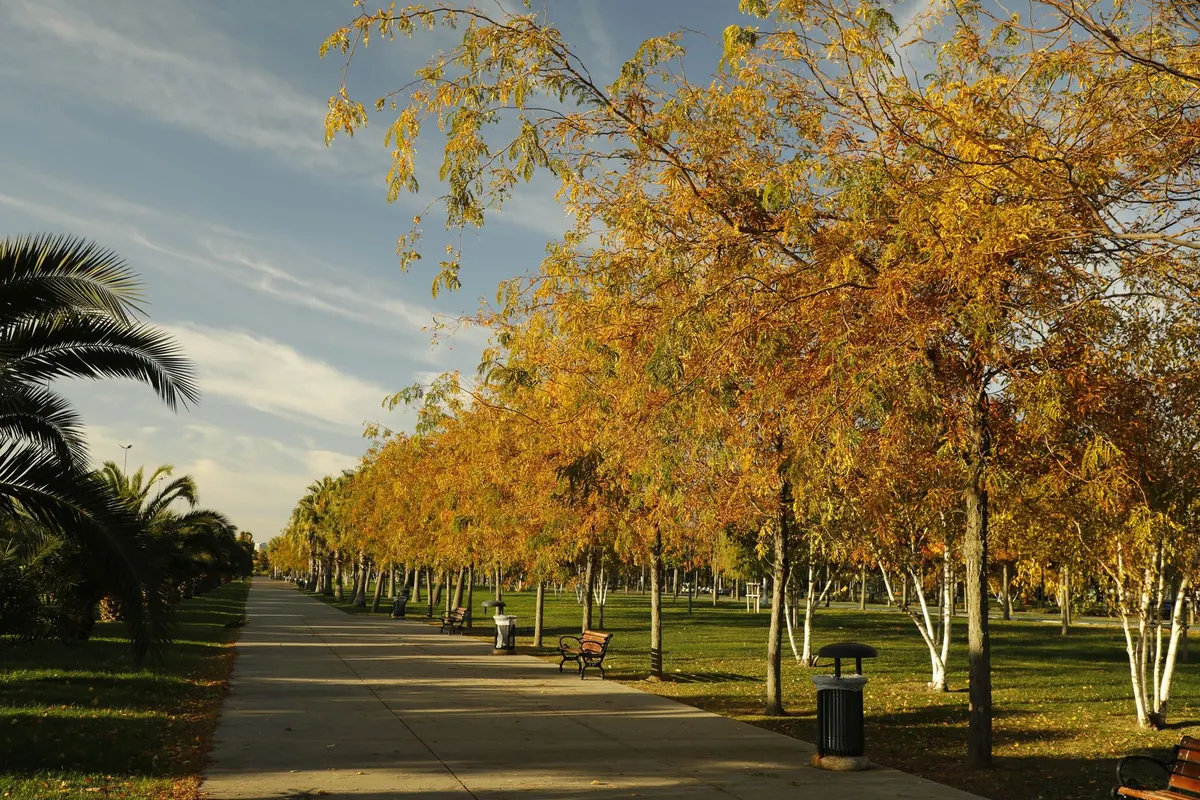
Photo: MEHMET SÜTLAŞ / Pexels