Why British Short Fiction Thrives in Small Literary Magazines
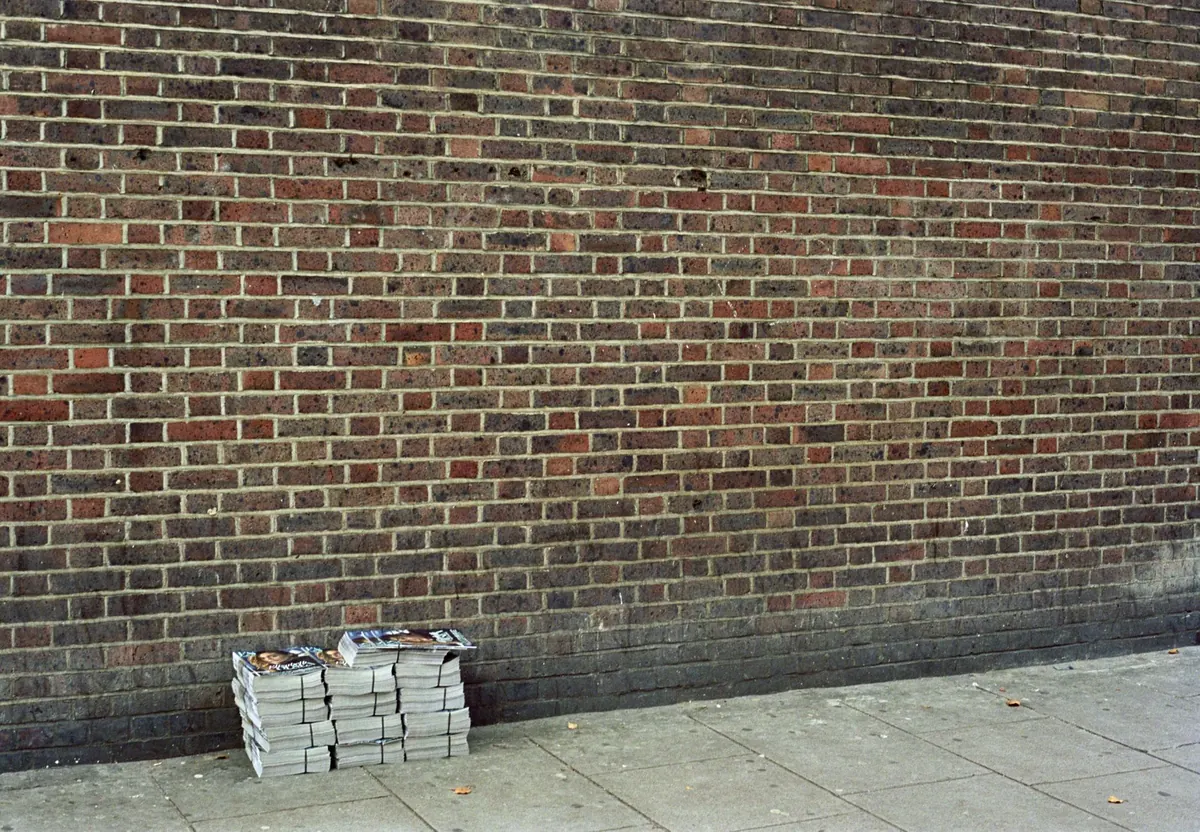
Britain has always liked a short story. It suits the train, the tea break, the twenty minutes before sleep. But the health of the form has less to do with reading habits than with a sprawling, stubborn network of independent magazines — some printed on decent paper and sold in bookshops, some stapled by hand and posted out in envelopes, nearly all of them run by people who could earn more doing something else entirely.
A form that fits the format
Short fiction is the practical unit of the small magazine. A story of two to five thousand words fills eight or ten pages, costs little to typeset, and can be commissioned, edited and printed within months. A novel cannot. That difference in speed matters more than it sounds. A magazine can take a chance on a voice that is strange, unfinished or out of fashion, because the risk is one story inside one issue rather than an entire list.
Flash fiction compresses the same gamble into a page. It is cheap to publish, quick to read and unusually good at catching a writer at the exact moment their style is forming. A good deal of the most interesting short work in Britain now arrives at under a thousand words, in magazines that publish online within weeks of acceptance.
The peculiar strength of the British scene
Something in the country's literary ecology encourages this. Britain is small and the literary world smaller still: editors know one another, and a story published in a Manchester magazine is being read in Glasgow and Bristol by the end of the week. The little-magazine tradition is old here — the modernists used exactly this route a century ago — and the supporting infrastructure has survived in surprising shape. Arts funding reaches a handful of titles. Creative writing courses produce a steady supply of writers looking for a first credit. Festivals, reading nights and independent bookshops feed audiences back into print.
Print has not been abandoned, either. Where American short fiction moved decisively online, British magazines often keep a foot in both camps: a print run of a few hundred copies, an online archive, a submission window announced by newsletter. Titles such as Ambit and The London Magazine have been publishing for decades; smaller ventures appear and disappear in a way that is part of the culture rather than a sign of its failure.
What a small magazine can give a writer
At a small magazine, one editor reads every submission and often replies in person. That is the whole advantage. A considered rejection — a line about what nearly worked, an invitation to send something else — is worth more than a polite silence, and it is far more common at a publication that receives four hundred stories a month than one that receives four thousand.
Publication does something a private draft cannot: it puts your name next to other names, in public, with a date attached. Agents and publishers do read the magazines, and a first credit tends to lead to a second. Editors move between magazines, anthologies and imprints, and they remember the stories they fought for.
The economics of attention
Almost every small magazine runs on a mixture of subscriptions, grant income, advertising and goodwill. Payment varies wildly: some titles pay contributors, some pay in copies, some pay nothing at all and say so plainly. What they cannot do without is readers. A subscription costs less than a takeaway, and it keeps a submission window open for another year. If a magazine has published something you loved, buying an issue is not charity; it is the going rate.
How to make the most of it
- Read before you submit. Buy two recent issues and read them properly. You will learn the house style faster than any guidelines page can teach it.
- Follow the rules exactly. Word count, file format, submission window, anonymity. Editors notice, and it is the easiest box to tick.
- Keep the cover letter short. One paragraph: who you are, what you are sending, one previous credit if it helps. Anything longer reads as nerves.
- Be honest about simultaneous submissions. Most magazines permit them, provided you withdraw promptly when a story is taken elsewhere.
- Take the edit seriously. If an editor suggests cuts, try them before you argue. You can always negotiate; you cannot un-send a curt reply.
- Treat rejection as information. A standard no tells you very little. "Not for us, but send more" is an invitation, and it is worth acting on within the month.
- Support what you want to survive. Subscribe, review, share a story you admired, go to the launch. Small magazines are kept alive by readers who behave like members.
A practical way in
Pick three magazines. Read one issue of each. In every issue, find one story you would never have written, and work out what it is doing that you cannot yet do. Then send a story to the magazine that published the piece you liked best, and send another to a different title a fortnight later. Keep a simple record of windows and responses so nothing sits in a drawer by accident.
Do not wait for the perfect story, and do not measure yourself by the first reply. The magazines that matter are not looking for finished writers. They are looking for the next voice, and they are remarkably pleased when it turns out to be yours.
Photo: Andrei C / Pexels